End-of-Life Care
BaptistCare clients, their families and carers have access to and receive the best possible end-of-life care, based on their individual needs. This care places the person at the centre, where their preferences, values, beliefs and dignity are respected.
Scroll to Explore

How do we define End-of-life care?
End-of-life care describes the care needed for people who are likely to die in the next 12 months due to progressive, advanced or incurable illness, frailty or old age.
A focus on the 12 months before death allows for optimal planning of care. It allows time to engage in purposeful conversations to facilitate person-centered care by discussing a client's preferences and what matters to them.

What is Person-centered care?
Care is centered around the client’s unique, holistic needs and preferences, taking into account their dignity and respect. The client, along with their families and carers, are treated as equal partners in decisions concerning their care and treatment.
Clients are kept well informed about their care and the services available to them, with advocates such as families or carers involved and able to represent the client’s preferences if they can no longer communicate themselves.
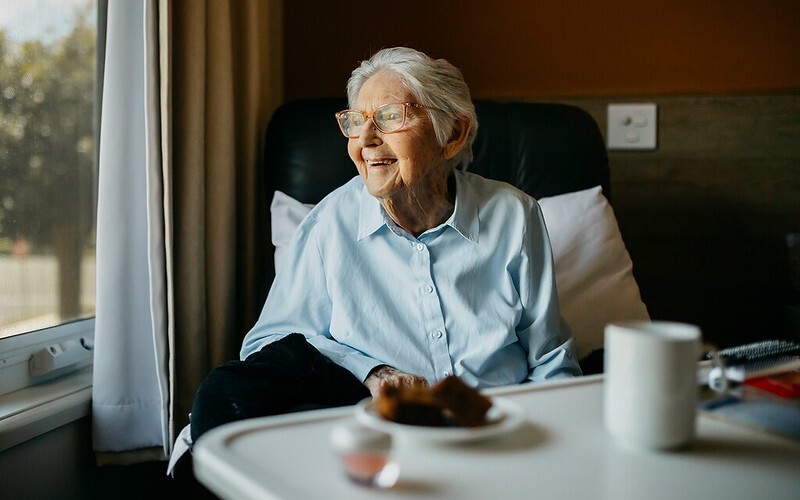
Integrated Care
People needing end-of-life and palliative care may receive care and support from multiple services across several settings. It is critical that care is integrated and well-coordinated to ensure better experiences and outcomes for individuals, their families and carers, and that there is a seamless transition between services and settings.

Family and Carer Support
Families and carers play a pivotal role in end-of-life and palliative care, providing ongoing support and care to clients. It is essential their role is recognised, valued, and supported. It is important they are involved in the planning for and provision of care, and they receive the services and support they require.
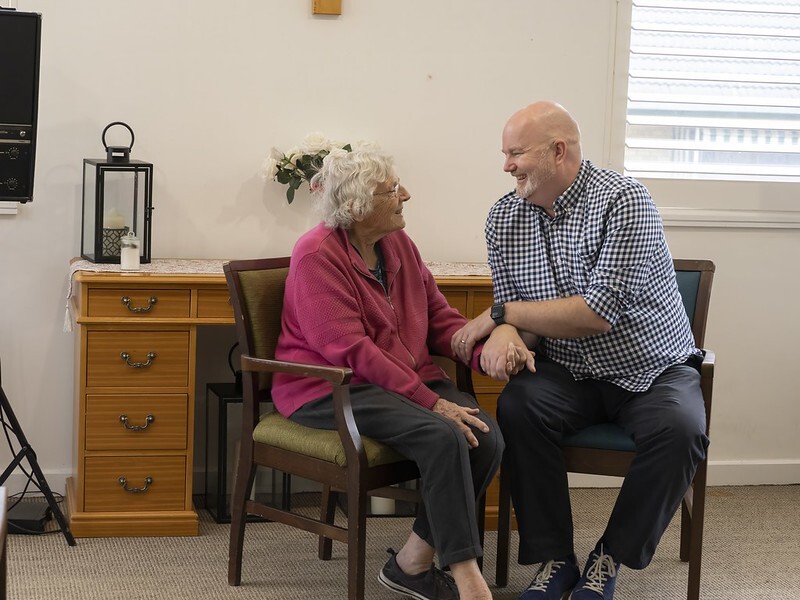
The care team
The care team in palliative care is a diverse and collaborative group of professionals who collectively provide comprehensive support to clients. This team approach ensures that a client’s physical, emotional, psychological, and spiritual needs are met. The care team draws upon a range of skills and knowledge from various disciplines, creating a holistic care strategy that enhances the client’s overall quality of life.
Key members of an end-of-life care team can include:
Medical practitioners
Nursing staff
Spiritual care providers
Care staff
Physiotherapists
Occupational Therapists
Speech Pathologists
Dietitians & Nutritionists
Pharmacists
Care Facilitators
Family & Caregivers
Advance Care Plans and Planning
Advance care planning is the voluntary process of planning for future health and personal care needs. It provides a way for a client to make their values and preferences for future medical care known. Advance care planning conversations and documentation inform future medical treatment decisions, if the client cannot make or communicate these decisions themselves.
End-of-Life Pathway
If you or someone you love is approaching the end of life, BaptistCare’s End-of-Life Pathway offers compassionate, personalised support to help you navigate this important stage with dignity and peace of mind. Our experienced team can guide you through care options, connect you with the right services, and ensure your wishes are understood and respected.
Whether you need help coordinating care, accessing community supports, or planning ahead, we’re here to walk beside you and your family every step of the way.
Learn more about our End-of-Life Pathway and how we can support you to live well, your way.

Make an enquiry
If you would like to know more, please complete the form and one of our home care specialists will be in touch.