

Daily routines reduce stress and provide your loved one with focus and stability. Incorporate dementia-friendly activities they enjoy – visiting an art studio, koi pond, or cinema. Engage them in fulfilling activities linked to their past work, such as typing a letter or mixing dough.
Look through old photographs and organise them into albums; consider digitising the collection. Revisiting photos is an activity that can evoke comforting memories, spark conversations and reinforce a sense of belonging. Help your loved one remember happy times. Pleasant conversations can ease sadness, support self-expression and boost confidence.
If your loved one visits, try cooking together. Encourage them to help with simple tasks such as setting the table. People living with dementia may feel they’re a burden, so helping out can make them feel useful.
People need people and studies show that social engagement improves the cognitive health of people living with dementia. Encourage your loved one to stay active, have fun and maintain social connections. Activities like religious services, cultural festivals and family gatherings strengthen cultural, spiritual, community and social connections and foster a sense of inclusion and belonging.
BaptistCare Residential Aged Care homes offer dementia-friendly activities tailored for people living with dementia to help with cognitive skills and keep bodies active. We also host social get-togethers and outings. These activities help build cultural, spiritual and social connections, providing fun, a sense of purpose and improved communication.
Engaging your loved one in fulfilling activities that make them feel useful can boost their sense of accomplishment and purpose. Try to match dementia-friendly activities to their level of cognitive skill.
As dementia progresses, it may be more difficult for your loved one to initiate an activity or understand what to do. If so, first invite or prompt them, then demonstrate or guide if needed. Only assist if and when necessary.
Consider breaking activities into smaller steps, encouraging your loved one to complete them one at a time. You may need to adjust activities as their level of ability changes.
Activities might include:
Helping with domestic chores:
They may still be able to make beds, dust furniture, or tidy. When visiting, ask them to do simple things like fold laundry, comb a child’s hair, or wrap gifts.
Engaging in hands-on activities:
If your loved one enjoys working with their hands, and has good motor skills, they may enjoy woodworking or model building. Simpler activities include painting a board or flower pressing. A desktop zen garden with mini rakes could be fun for gardening enthusiasts.
Unting knots:
Untying knots is a simple activity that stimulates fine motor and cognitive skills. Use a soft rope, tie loose knots and let your loved one untie them at their own pace.
Do a puzzle:
Puzzles encourage focus and problem-solving, providing a sense of accomplishment. Choose one suitable for your loved one’s skills and preferences, particularly those specially designed for people with dementia. Keep the completed puzzle's picture nearby for clues.
Play a game:
Games help people living with dementia have fun and maintain social connections. Choose sorting and sequencing games, quizzes, or word games that are in line with their cognitive skills. Consider table games like Snakes and Ladders, Bingo or, if suitable, more complex options like Chequers or Scrabble. Adjust rules to minimise frustration. Activities like reminiscing, armchair travel, reading, or listening to audiobooks are also beneficial. A robotic pet may offer psychosocial benefits.
Our senses connect us to comforting memories. Stimulate your loved one’s senses with a favourite perfume or aftershave. Go on a nature walk through a scented or herb garden, make wishes together blowing dandelions.
Treat them to their favourite foods. Encourage them to ‘play’ with interesting textures – satin ribbons, pumice stones, feathers. Pop bubble wrap with them. Try painting, massage and listening to music or soundscapes.
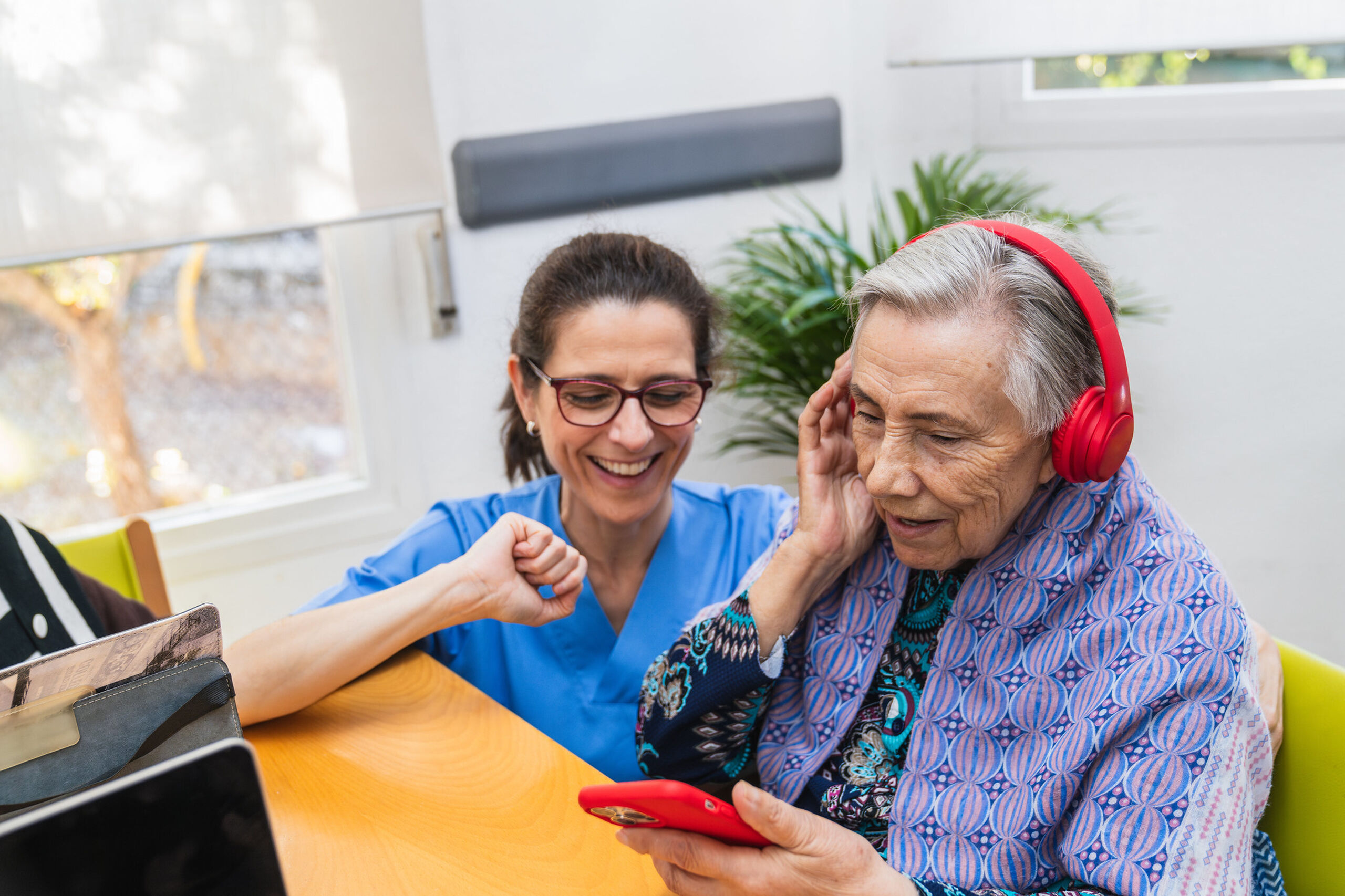
Creative activities can improve emotional wellbeing. Regular reading is another excellent activity and has amazing health benefits, including improving cognitive skills. Art therapy can be great for people living with dementia and music can be especially powerful – it enhances concentration, memory, self-discipline and confidence and may protect against cognitive decline. Listen to music with your loved one, sing along, help them make an instrument – a gumleaf harmonica, a rubber band guitar. Help them have fun. Dance with them and experience the joy of music together.
Exercise is excellent for people living with dementia. Structured physical exercise can also help manage dementia-related agitation and wandering.
There are many safe, dementia-friendly ways for people to exercise.
Exercise options for people with dementia
Walking offers gentle exercise, fresh air and a chance to connect.
Swimming is great for mind and body – explore dementia-friendly options. If your loved one enjoyed cycling in the past, consider stationary bikes at gyms. Many gyms also offer dementia-friendly exercise classes.
Gardening or simple household chores also provide meaningful, incidental exercise.Safety considerations
Consult your loved one’s medical and care professionals for advice on appropriate physical activities. Ensure they drink enough water when exercising and wear identification and weather-appropriate clothing when out and about. Stop if they experience difficulty and consult a medical professional if you are concerned.