Navigating the early days after a dementia diagnosis.
How BaptistCare’s Refresh Retreats program can help provide education and practical tools to build resilience for the future.
Scroll to Explore
07 August 2026
Stories
| Home Care
For many families, a dementia diagnosis can be deeply unsettling. The weeks and months that follow are often marked by an acute period of fear, grief, and uncertainty about the future, and it can take some time to recover emotionally.
BaptistCare’s Refresh Retreats program is a national support service created specifically to help people through these early days following diagnosis, and to provide education and practical tools to build resilience for the future.
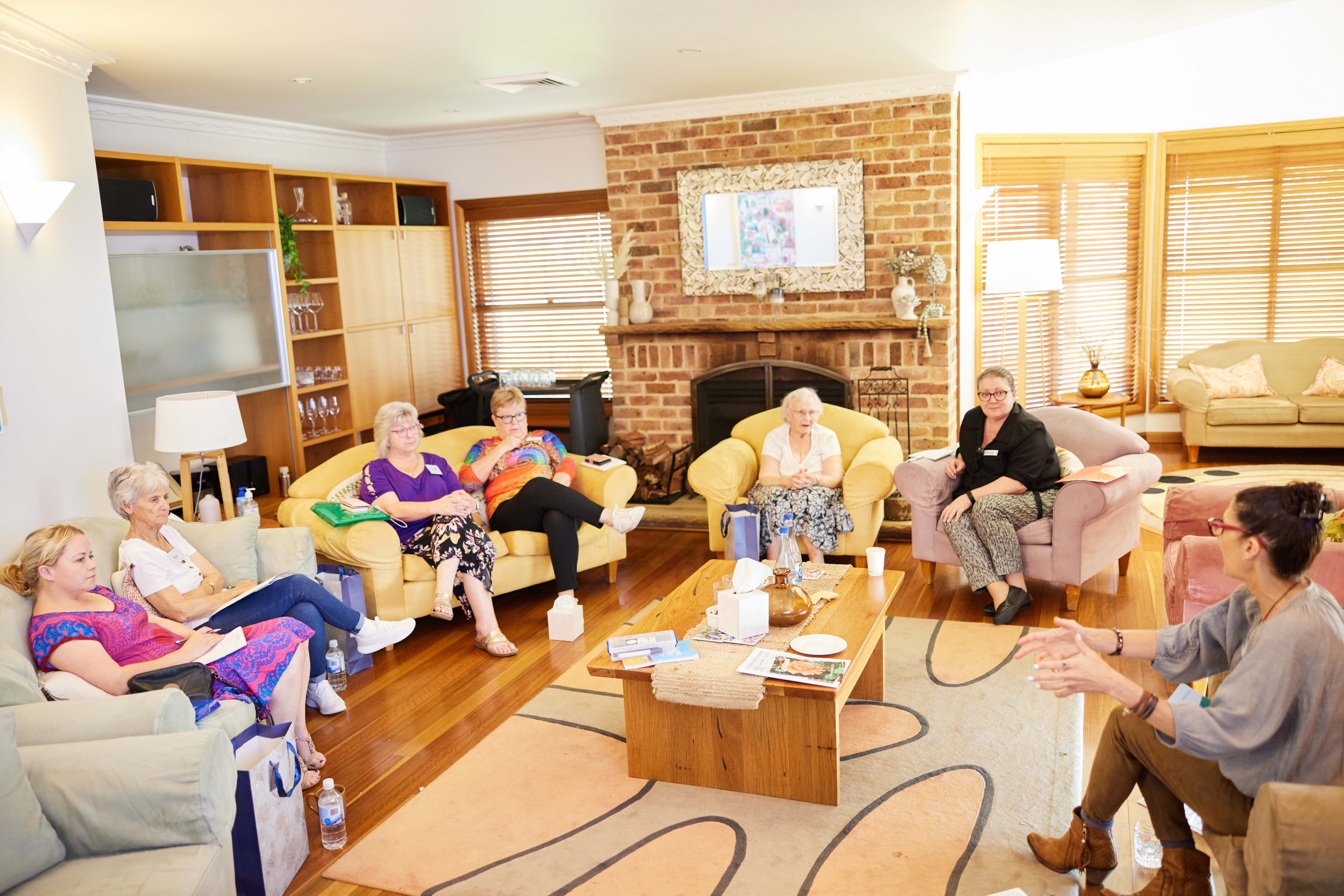
The three-day getaways bring together six people in the early stages of dementia, along with their carers for a program built around connection, creativity and rest. It’s an opportunity to spend a few days away from the routines and pressures of everyday life, focusing instead on meaningful activities and connection with others who understand what they're going through.
It's a simple idea. But for the people who attend, it can be life changing.
A growing need
According to Dementia Australia, more than 446,500 Australians are currently living with dementia, and that number is projected to more than double within the next few decades as the population ages. It’s a confronting number, with each individual trying to navigate a new reality - often with a loved one trying to support them as best they can.
Despite how common a diagnosis is, support programs that help people process it emotionally, as well as building resilience, education, and practical tools for what's ahead, remain rare - according to BaptistCare Refresh Retreat Program Manager Kim Marshall.
"A dementia diagnosis doesn't mean life stops," says Kim, who brings 20 years of aged care and health experience to the role, including almost a decade working in the dementia space.
"There is still friendship, laughter and meaning, and we need to normalise that."
What happens at a retreat
Refresh Retreats are designed around two parallel journeys happening at once – one for the person living with dementia, and one for their carer.
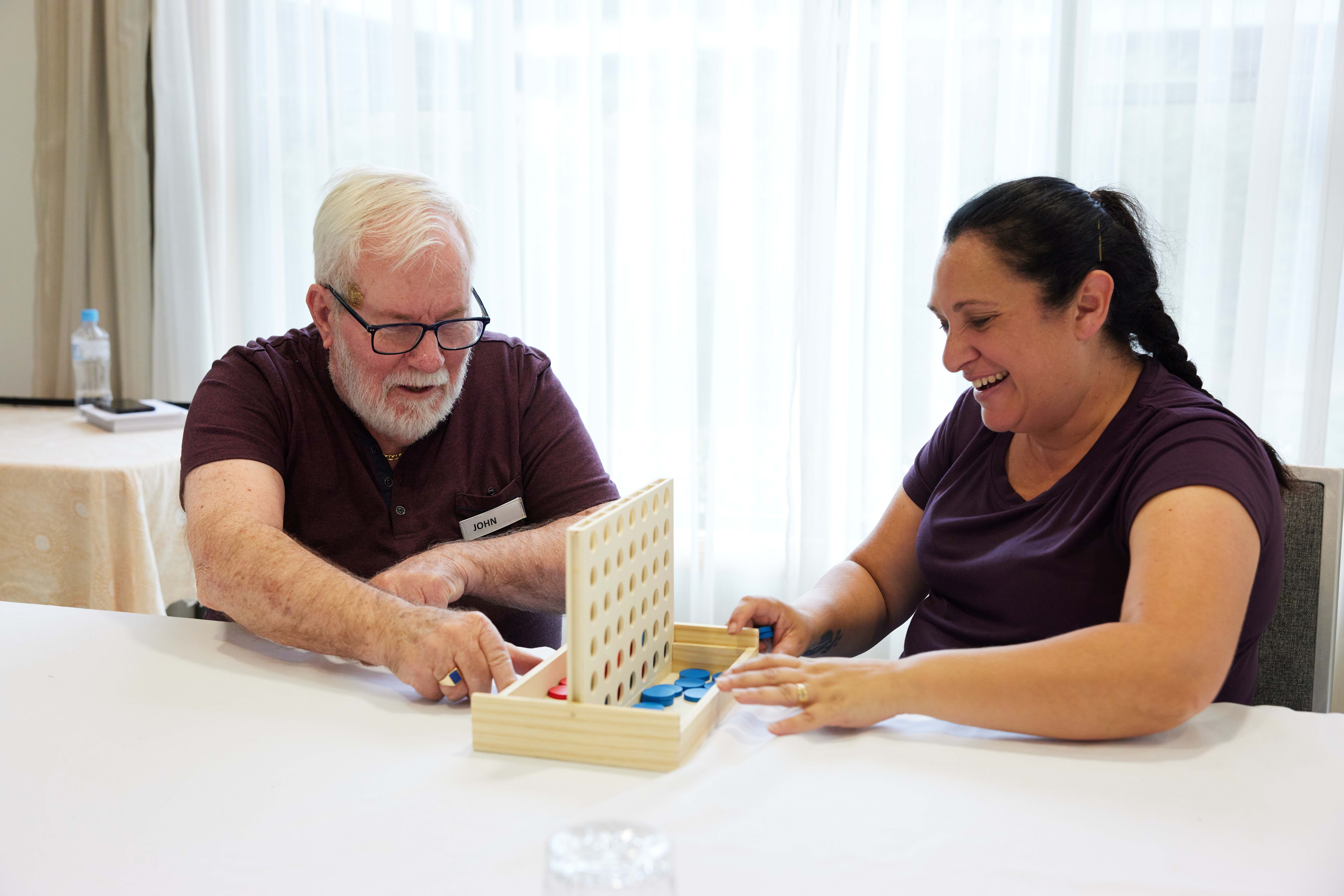
While carers and support people take part in practical workshops that cover communication strategies, self-care, and future planning, their loved one is spending their days enjoying activities that have been carefully designed to spark connection rather than highlight limitation; music-making, art, gentle exercise, and time in nature.
"People often arrive anxious and unsure," Kim says. "But by the final day, they're relaxed, laughing and swapping phone numbers. It's an instant community built on shared experience."
One retreat, one unforgettable moment
Sometimes the powerful impact of these retreats can show up in a single, unplanned moment.
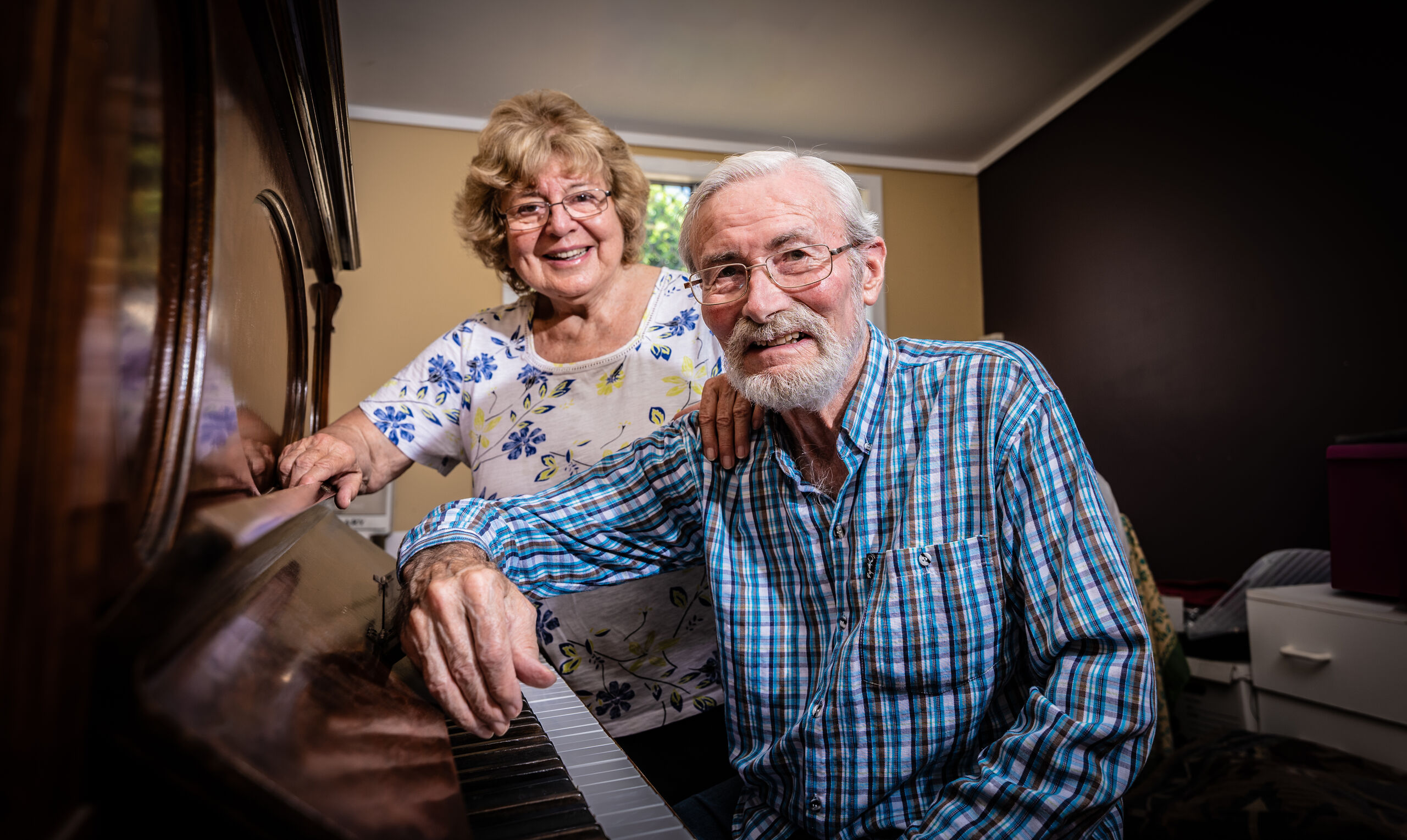
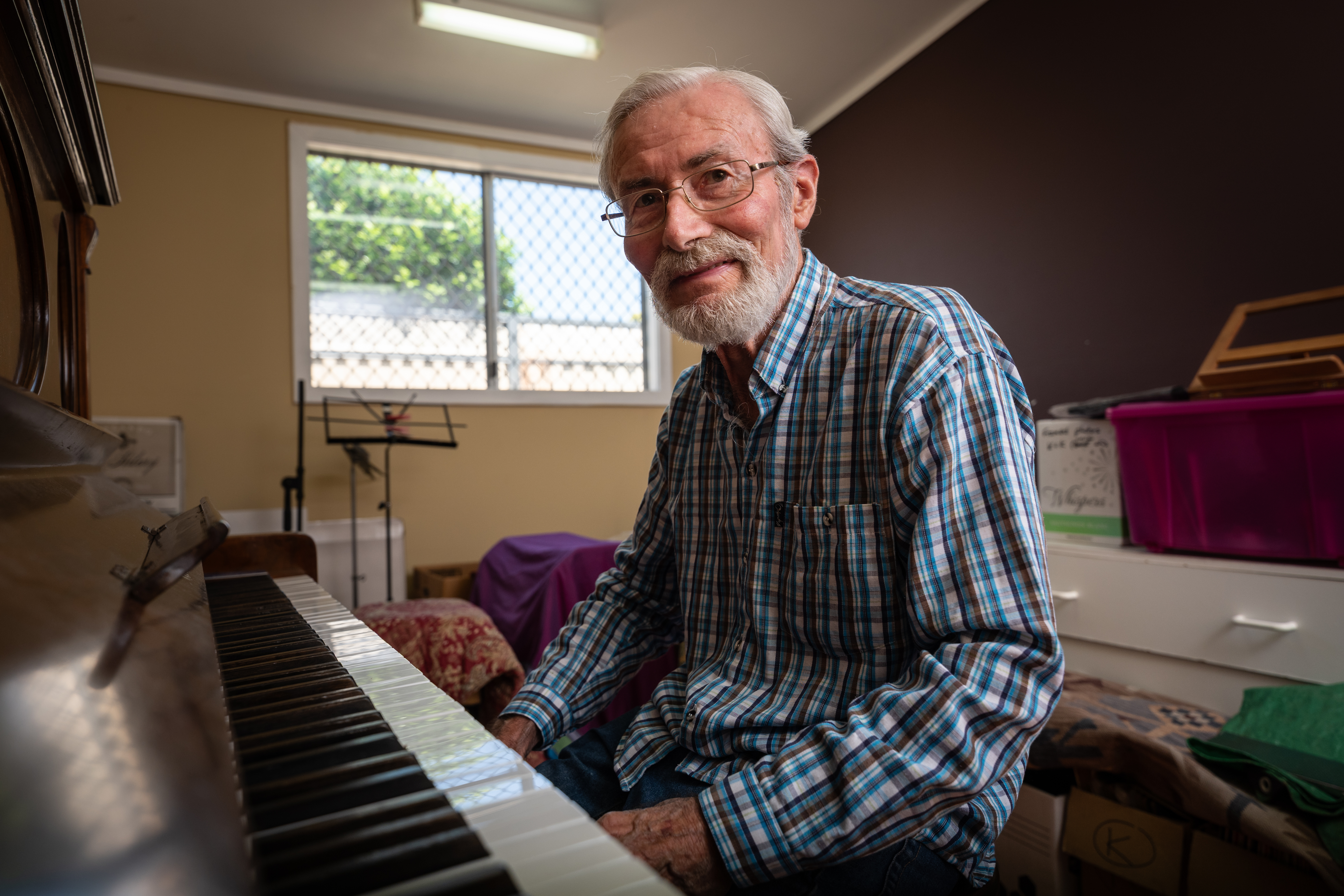
At a recent retreat, 81-year-old Ken Ackerman, a former piano tuner who hadn't played in years, sat down at a piano almost on a whim. What happened next surprised everyone in the room, including Ken himself. His hands found their way across the keys as though no time had passed at all, while the people around him clapped, laughed and danced.
For his long-time friend and support person, Kathy Smith, it was a moment she won't forget.
"That day reignited something in Ken," Kathy says. "When we got home, he started practising piano again. I hadn't seen him light up like that in years."
Ken was diagnosed with dementia in late 2024 and lives in a retirement village, supported by Kathy and home care services. The retreat marked a genuine turning point for him - he now regularly shares his gift of piano playing, much to the delight of the other residents.
"Being around people who understand has made such a difference," Kathy says. "It reminded us that there is still laughter and joy in the world, and it encouraged us to keep building those connections."
Why programs like this matter
A dementia diagnosis can often make the world feel smaller, both for the person receiving it and the people around them.
Carers can feel like their own needs disappear behind the needs of the person they're supporting. It can be harder to keep up with friendships – perhaps the person receiving the diagnosis feels embarrassed to see anybody, or things have become so busy that there’s rarely time for social connection. And all the while, the person living with dementia may start to feel defined by the condition, rather than by who they've always been.
The aim of the Refresh Retreats program is to help find a path through all of this – to build strong foundations that support families to cope, both now and into the future.
By bringing people together at a similar stage of the journey, they create space for something that's often in short supply after a diagnosis: a sense of "we're not alone in this."
BaptistCare Refresh Retreats at a glance
Open to anyone in Australia diagnosed with dementia within the past five years, along with a carer, adult family member or friend
Fully funded by the Australian Department of Health, Disability and Ageing
A My Aged Care (MAC) assessment is not required
Not currently available to people living in residential care
New retreat locations are available across New South Wales, Victoria, and Western Australia
Ready to register?
If you or someone you love has been diagnosed with dementia in the past five years, a Refresh Retreat could provide a much needed reset. It’s a few days to pause, connect with others in a similar situation, and remember that life can still be joyful, even in the wake of a dementia diagnosis.
Registrations for 2026 retreats are now open. Visit baptistcare.org.au/refreshretreats to find a retreat near you and secure your place.