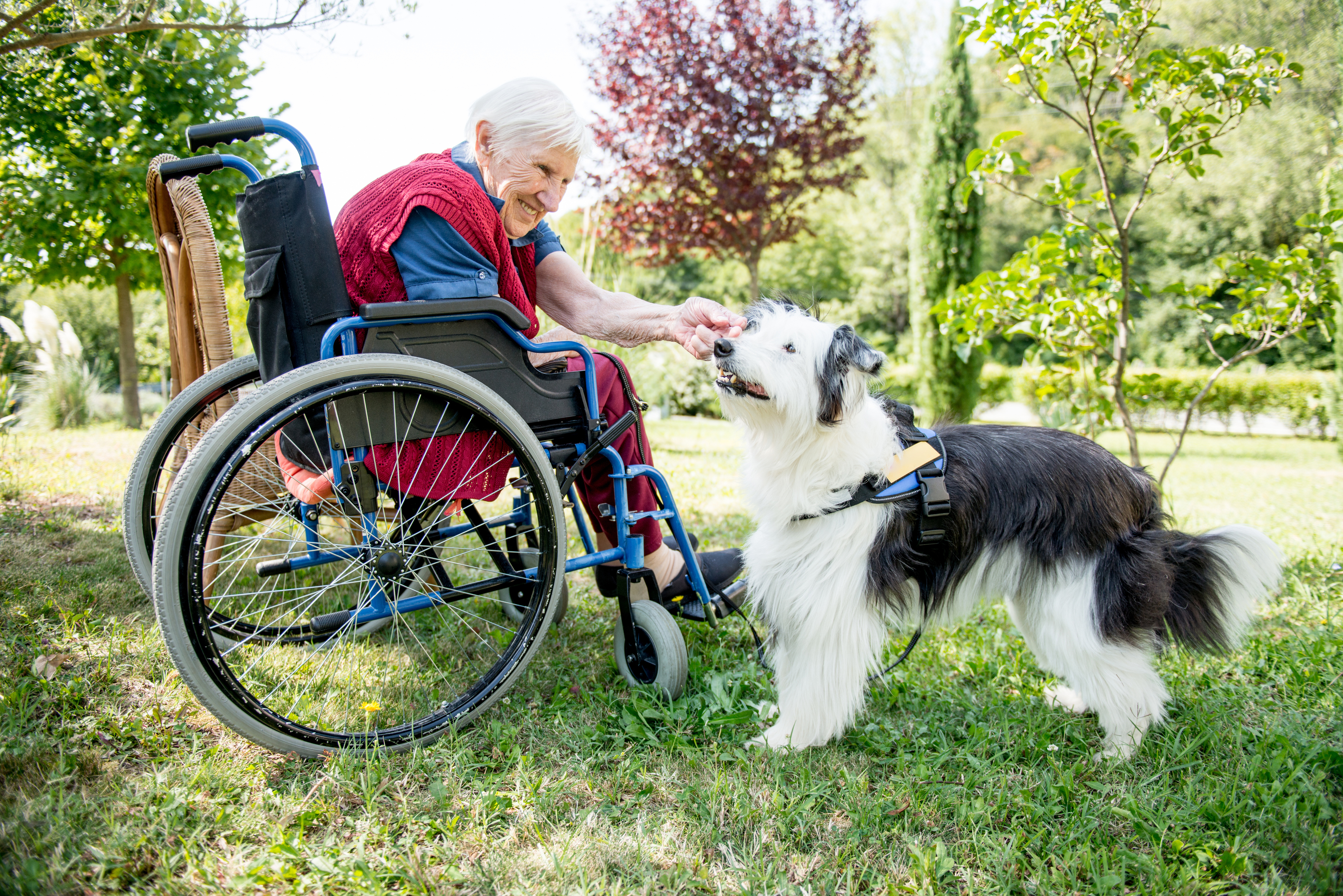

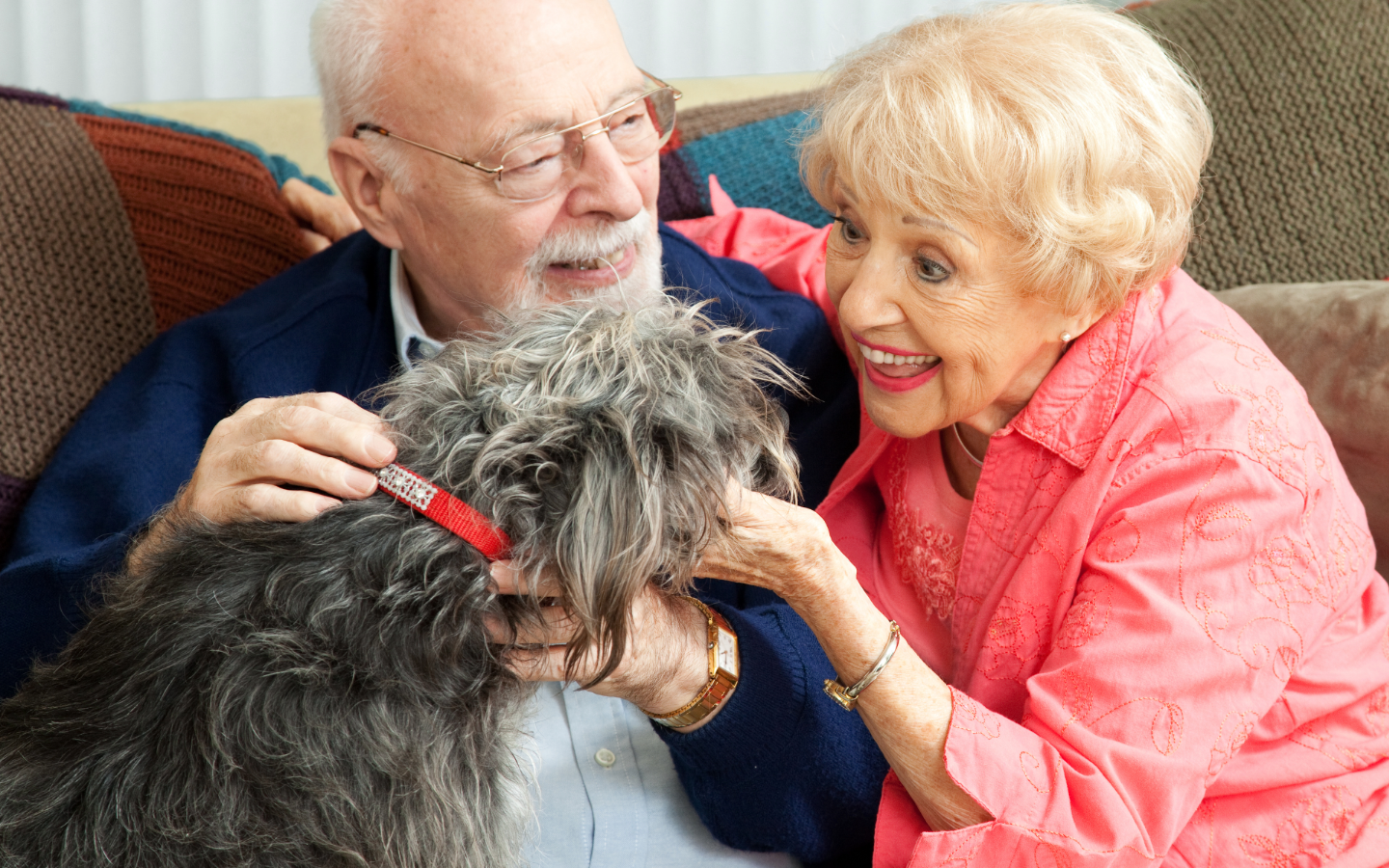
An Australian review of studies into the effectiveness and benefits of pet therapy in aged care found many positive outcomes. Animal-assisted therapy helped ease depressive symptoms and improve socio-emotional behaviours – no matter how often or how long the sessions were, although overall quality of life improved when the sessions were conducted one-to-two times a week.
Simply interacting with pets during animal visits can also help reduce stress and spark joy.
Reducing stress obviously also has physical benefits – for example, it helps support heart health by lowering blood pressure and cholesterol levels.
Walking with a pet is a gentle form of exercise, and the simple pleasure of cuddling a dog has been found to release a dose of feel-good hormones - oxytocin, serotonin, dopamine, and (probably) endorphins that enhance overall mood and general wellbeing. For stroke survivors, interacting with animals may aid rehabilitation, helping them on the road to recovery.
Pet, or animal-assisted therapy, may also have cognitive benefits for people with dementia.
Regular interactions with animals can encourage memory recall and communication by prompting conversation about past pets, recognising visiting animals and perhaps forming bonds with them.
Then there are the social benefits. Regular interaction may help residents build social bridges and better engage with those around them.
By encouraging conversation – between aged care residents, with employees in the residential aged care home and with visiting family members – pets help break down barriers. Their presence can foster warm, shared experiences.
A visit from a pet might even become a highlight of the week for residents, prompting shared stories and laughter that strengthen social bonds. Whether it’s chatting about past pets or simply enjoying a group visit, these moments contribute to a greater sense of belonging and joy in daily life.