
Trying to sort an entire home at once can feel overwhelming. Begin with one drawer, one shelf or one category, such as towels, clothing, or books.
It can also help to start with everyday items before moving on to photographs, letters or keepsakes. An unused kitchen utensil may be an easier first decision than a box of photographs.
As you sort through items, put them into one of three categories:
Keep: items you use, need or genuinely want around you.
Gift: belongings that could be useful or meaningful to someone else.
Let go: things that are worn out, duplicated or no longer serve a purpose.
Use these categories as a flexible guide. If you’re unsure, set something aside and return to it later. You don’t need to force an answer.
These days, there’s an abundance of technology to help the decluttering process along. If you’re housing a collection of books that spans decades, for example, you might consider investing in a e-reader device where you can digitally store hundreds of your favourite books on one light-weight device.
Similarly, photographs and important papers may be suitable for digitising, while keeping a smaller selection of originals that matter to you.
If a possession has family significance, you might invite relatives or trusted people into the conversation. They may value the chance to hear the story behind it, even if they choose not to keep it.
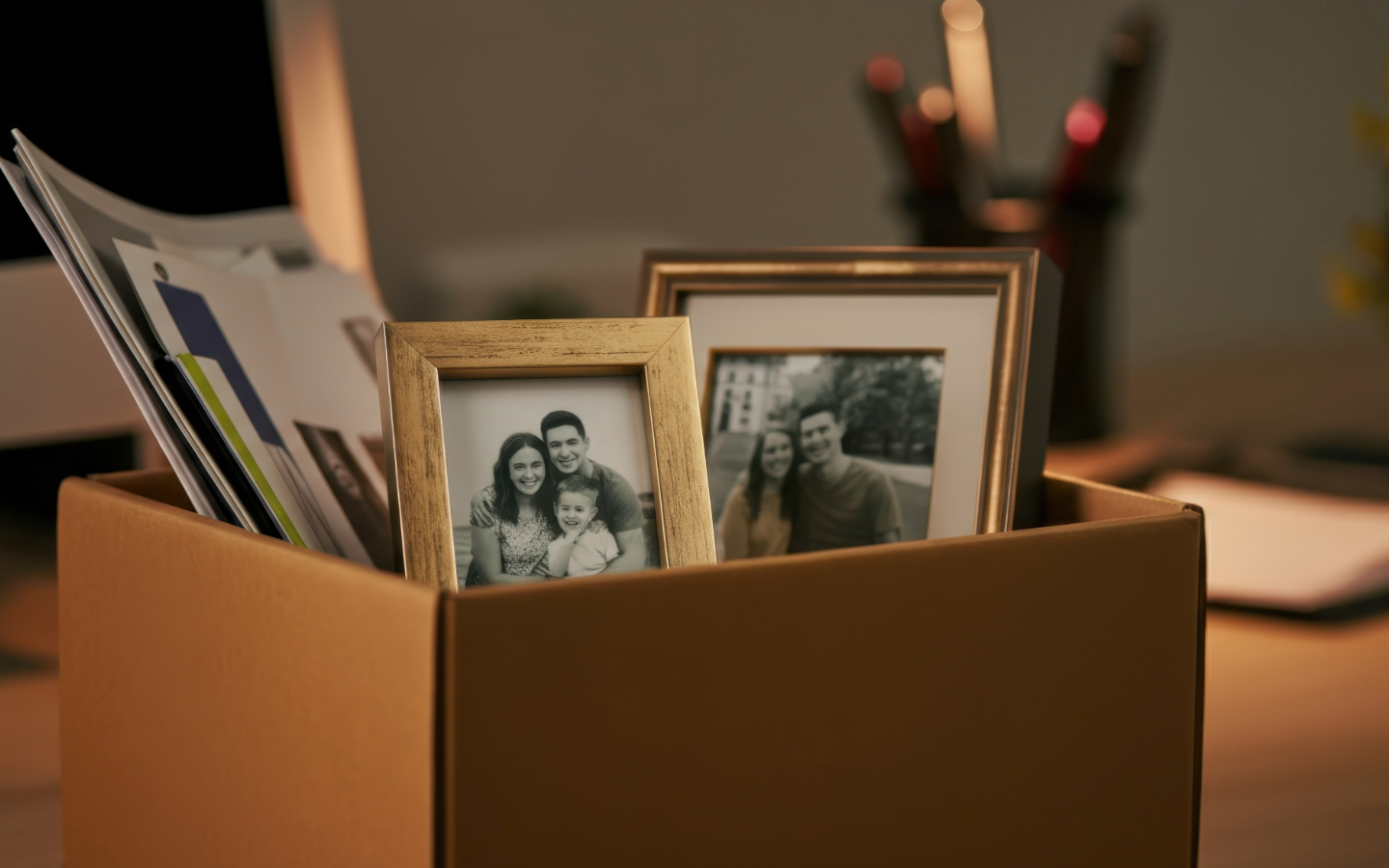
Decluttering can be an emotional process. If it becomes too tiring or brings up strong memories, just take a break and come back to it tomorrow.
Often the most successful decluttering projects take several months and involve just ten to twenty minutes of sorting per day. Then it’s time to make a cup of tea and congratulate yourself on creating a little more space in your home.
It can be surprisingly satisfying.