If you're caring for someone living with dementia, you're not alone.
Learn what support is available for carers of people living with dementia, including respite options, self-care advice, and how to plan for the future.
Scroll to Explore
14 October 2026
Stories
| Home Care
Did you know that more than three million people provide unpaid care to a family member or friend across Australia? It’s a role that can be both deeply rewarding and overwhelming, particularly when that person is living with dementia.
This National Carers Week, as we shine a light on the work of carers across the country, it might be a timely reminder to consider your own options for self-care and support.
According to Jess, Manager of BaptistCare's Stronger Carers program, many carers spend so much time focusing on their loved one that their own wellbeing slips down the priority list. They might not even have identified themselves as a “carer”.
We chatted with Jess about the support that’s available to carers, why self-care is so important, and why a dementia diagnosis can still mean a joyful, meaningful life.
Support that meets carers where they're at
One shining example of the many support services that are available to carers in Australia is the Stronger Carers program.
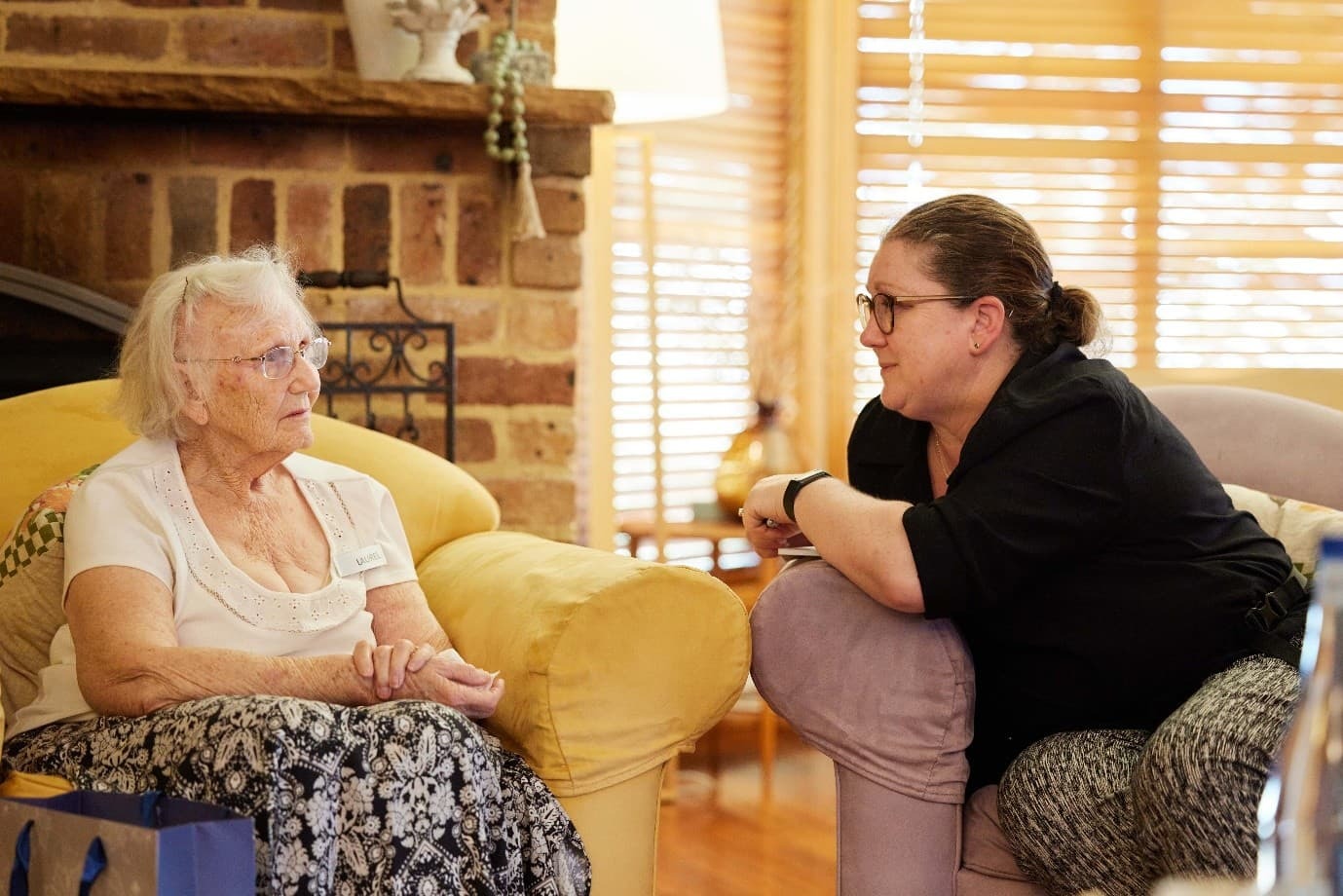
Delivered to families across the ACT and surrounding region, this eight-week program provides coaching and practical advice for those supporting a loved one living with dementia. Best of all, it’s delivered right in the comfort of your own home.
Jess, who manages the service, says "No two people living with dementia experience exactly the same thing, so support programs like this are delivered in a way that’s unique to each carer."
Jess takes the time to understand each carer’s situation, including their loved one’s dementia diagnosis, the changes they are experiencing, and the challenges they are navigating day to day. She then works alongside the carer to provide tailored advice and recommendations, ensuring support is centred on what matters most to them.
“Weekly coaching sessions might be focused on things like effective communication strategies, respite care, aged care funding options, and importantly – how to prepare for what may happen in the future,” explains Jess.
For some families, simply having someone help them prioritise what needs attention first can bring enormous relief.
Finding some breathing room: Self-care strategies for carers
But there’s one theme that comes up repeatedly during Jess’ visits: respite care options.
“Asking for help is so important if you’re caring for someone by yourself,” says Jess. “Arranging respite care doesn’t mean you’re not doing a great job, it simply means you need to also prioritise your self-care so you can continue to give the best of yourself.”
Even when carers know they need a break, they might be unsure of what options are available or how to get started.
The goal for self-care is to help carers reconnect with themselves – whatever that looks like for them.
"You don't always have to use respite time to do the grocery shopping or complete chores," Jess emphasises.
"You can use that time to potter in the garden, get a coffee with friends, sit quietly, read a book or even have a nap! People often feel they need to stay busy, but sometimes, having a proper rest is the only ‘work’ that’s required.”
Learning what support is out there
Jess also regularly discusses BaptistCare's Refresh Retreats program with families, particularly those who’ve received a dementia diagnosis in the last year.
Available across NSW, the ACT, and Western Australia, these fully catered, two night, three-day retreats are held in beautiful, peaceful venues where carers can connect with others in a similar situation, receive education from dementia care experts, and stay close to their loved one - who will simultaneously be receiving quality care nearby and participating in meaningful activities with the BaptistCare team.
One family's story
Among the many carers Jess has supported through the Stronger Carers program, one woman's story has stayed with her.
“During our initial sessions, this carer was often overwhelmed and in tears,” remembers Jess. “Her husband was living with dementia, and without any children or a broader support network, she felt completely alone in caring for him.”
Over the following weeks, Jess helped organise a respite care schedule, funding options, and began the process of advance care planning. By the end of the program, the practical pieces were falling into place, and the sense of crisis had eased.
But Jess’ role is as much about addressing emotional needs as practical ones.
"It was very hard for this lady to come to terms with the fact that her husband no longer recognised her," Jess says.
"It can be a form of grief for carers: grieving the life they expected to have, the future they imagined and the person their partner or parent once was. Sometimes it can help just to have someone acknowledge that this grief is real and that it's okay to feel that way.”
There is still hope
One of the biggest misconceptions Jess encounters is the belief that a dementia diagnosis means life as you know it is over.
She is quick to challenge that idea.
"Many people continue to live well with a diagnosis of dementia," she says. “It's progressive, but with the right support, they can still enjoy meaningful relationships, participate in their communities, and make decisions about their own care for many years after diagnosis.”
For carers, accepting support and planning ahead – whether that’s through a program like Stronger Carers or one of the many other support services out there - often means a future that might look a little brighter.
It might be that the overwhelm has eased, or you feel more informed and better prepared for what lies ahead. There will still be concerns about the future, but importantly – you no longer need to carry them alone. Help and support is available, whenever you’re ready.