The importance of wellbeing in retirement
Physical and mental health underpin just about everything else in retirement. When the body feels reasonably well and the mind is engaged, the rest tends to follow more naturally.
Regular movement, balanced nutrition, quality sleep, and routine health checkups are the foundations to wellbeing because feeling physically capable opens up more of life: energy to spend time with grandchildren, steadiness to take a walk somewhere new or confidence to try something you haven't before.
Mental wellbeing matters just as much. Staying curious, maintaining a sense of purpose, and having people and activities that engage you all contribute to how life feels day to day. Neither physical nor mental health is something to sort out once and tick off. They're ongoing, and small consistent habits tend to do more than grand gestures.
Staying active and engaged
Movement looks different for everyone, and the most useful kind is whatever you’re most likely to stick with. For some people that's a walking group; for others, swimming, yoga, gardening, or a gentle exercise class. The activity matters less than the regularity and the enjoyment of it.
Beyond physical activity, staying engaged with the world through learning, creating, contributing, keeps the mind active and gives the day a sense of direction. Volunteering, picking up a craft, joining a class, or simply reading are all forms of engagement that many people find satisfying in retirement.
For practical ideas on how to stay active and find your stride in this chapter, take a look at our guide to thriving in retirement.
Nurturing social connections
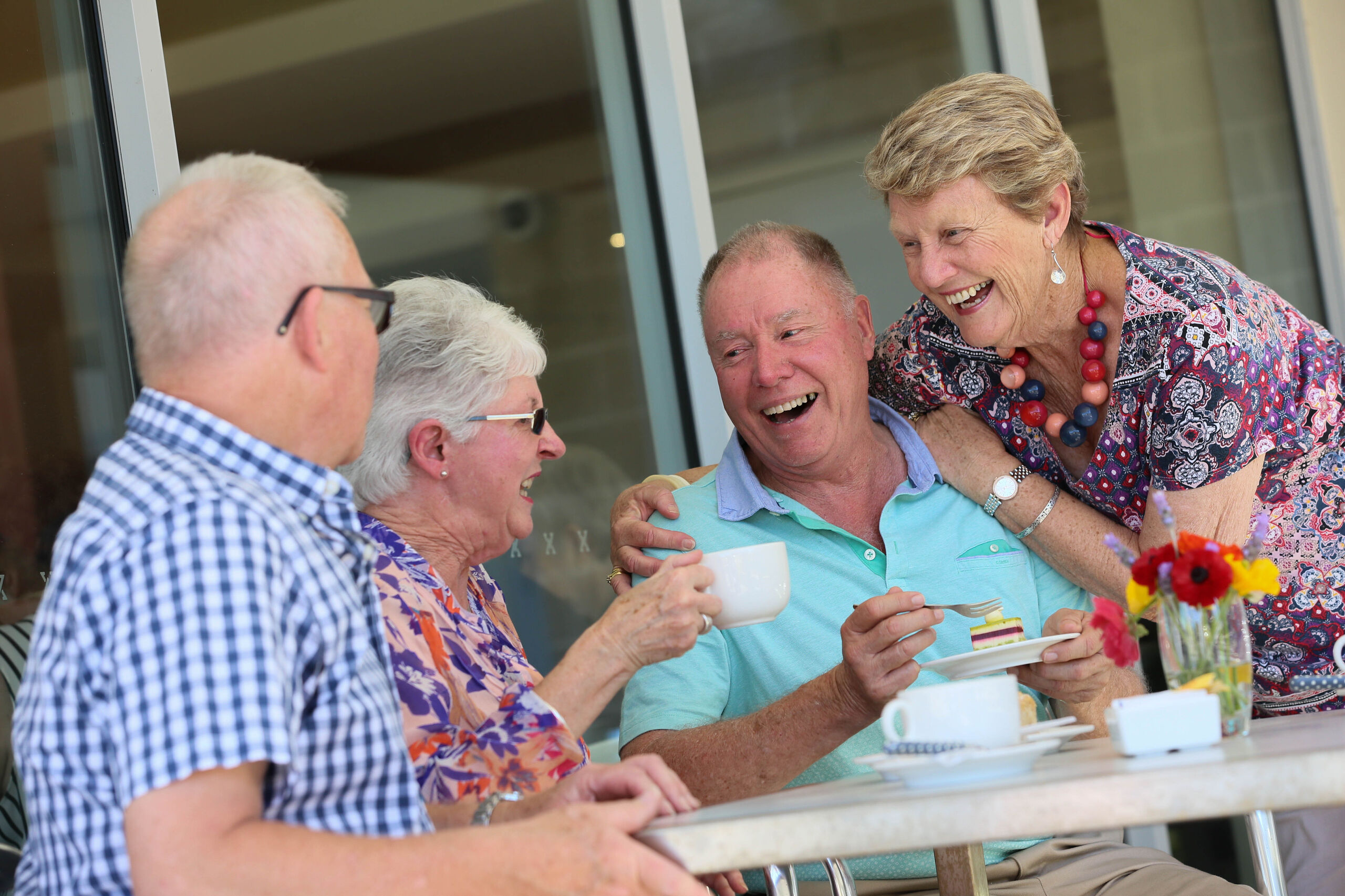
Loneliness is one of the more significant health risks for older adults, though it doesn't get talked about as directly as diet or exercise. Social connection – regular, meaningful contact with people you care about – has a measurable effect on both physical and mental health.
Friendships, family relationships, and community involvement all count. So does the kind of low-key social contact that comes from being a regular somewhere: a weekly class, a local club, a volunteer role or even a spiritual community, like your local church or temple. These smaller, consistent connections often do as much for a sense of belonging as the bigger ones.
If existing social networks have thinned out over time through retirement itself, relocation, or loss, building new ones might take a little effort, but it’s entirely possible, and easy once you get going. Finding shared interests can be one of the best ways to start.
Exploring hobbies and meaningful activities
Retirement can be one of the few times in adult life when pursuing something purely because you enjoy it is not only possible, but encouraged.
For some people, that means returning to something set aside decades ago. For others, it's trying something completely new like art, music, cooking, travel, mentoring, writing. The value of a hobby in retirement isn't just the activity itself; it's the structure, the sense of progress, and the connection to others who share the interest.
Meaningful activity doesn't have to be productive in any conventional sense. What matters is that it engages you, gives you something to look forward to, and contributes to a sense that your days have substance.
Mindset and lifestyle habits that support a happy retirement
How people approach retirement and the attitude they bring to it shapes the experience considerably, though this is easier said than done and depends a lot on circumstances.
A few things tend to help. Having a loose routine gives the day shape without feeling rigid. Making space for rest and reflection, rather than filling every hour, tends to support rather than undermine a sense of wellbeing. Noticing small pleasures like a good meal, a conversation or a morning in the garden is something many people find deeply satisfying in retirement… especially if they had previously had a busy career or were time poor.